Marine Charter Services in Oman: Tug Boats, Barges and Landing Crafts Explained
Not every cargo fits in a container, and not every site has a deep-water berth. If you’ve ever had to move heavy equipment, bulk materials or project cargo to a tricky location, you know standard shipping doesn’t always cut it. That’s where marine charter services in Oman come in.
Maybe you’re supplying an offshore site, shifting bulk cargo between ports, or getting equipment to a coastal project. Either way, chartering the right vessel can save you time and money. Here’s a plain-language guide to the main vessel types, when chartering makes sense, and how to pick a dependable Best marine services company in Oman.
What are marine charter services?
Marine chartering simply means hiring a vessel for a specific job or period instead of buying one. You pay for its use, and you agree on the route, cargo and schedule with the provider. Depending on the arrangement, the vessel can come with its crew.
It works well when you only need marine transport for a project, a season or a one-off move. You get the right vessel when you need it, without the cost of owning and maintaining it.
Vessel types you can charter
Different jobs call for different vessels. These are the ones you’ll come across most often in Omani waters and across the GCC:
- Cargo vessels: carry bulk and general cargo between ports, like construction materials or industrial goods.
- Tug boats: help bigger ships berth and leave the port, and tow barges and other floating equipment.
- Barges: flat-decked vessels built for heavy, oversized or bulk cargo, usually moved by a tug.
- Landing crafts: shallow-draft vessels that can load and unload straight onto a beach or a basic jetty, handy where there’s no full port.
When does chartering make sense?
A charter is worth considering when:
- Your cargo is too heavy, large or bulky for standard shipping
- The delivery site has no deep-water port or proper cargo-handling facilities
- You’re running a project with a fixed end date and don’t need a vessel permanently
- You need to supply a remote or offshore location
- Your shipping volumes rise and fall through the year
The same thinking applies to bulk materials. A clinker supplier in Oman, for instance, depends on bulk shipments that are planned well ahead, so having charter options lined up keeps cement production on schedule.
Marine chartering and offshore support
Chartered vessels often work hand in hand with offshore support: supplying vessels at sea, moving crew and equipment, and coordinating between shore bases and offshore sites. When the charter and the offshore support are planned together, there are fewer gaps between the dock and the work site, and less risk of costly downtime.
The services around a charter
A vessel is only one piece of the puzzle. A smooth charter also relies on:
- Vessel agency: your local representative for berthing, port clearances, pilots and paperwork. If you’re comparing shipping agents in Oman, ask whether they handle charter operations as well as regular port calls.
- Stevedoring: safe loading and unloading of cargo at the port.
- Vessel husbandry: crew needs, provisions, spare parts and other support while the vessel is in port.
- Bunker supply and marine lubes: fuel and lubricants arranged in advance, so the vessel isn’t held up.
- Customs clearance: the right paperwork, so cargo isn’t stuck at the port.
- Trucking and inland transport: moving cargo to and from the port by road.
When one team coordinates all of this, you have a single point of contact instead of chasing five different suppliers.
How to choose the right provider
There are plenty of shipping companies in Oman, but not all of them offer chartering or the full range of port services. Before you decide, ask these questions:
- Which vessels and equipment do you have? Make sure they fit your cargo and your site.
- Do you know the ports I’ll be using? Local experience at Sohar, Duqm, Salalah and Muscat helps avoid delays.
- Is support available 24/7? Marine operations don’t stop at five o’clock.
- Are your services joined up? Look for agency, handling, customs and transport under one roof.
- Is the pricing clear? Ask exactly what’s included, such as fuel, port charges and crew.
- Can you handle the wider logistics? The best partners connect marine transport with freight forwarding and supply chain and handling, so your cargo moves smoothly from origin to final delivery.
Chartering as part of a wider logistics plan
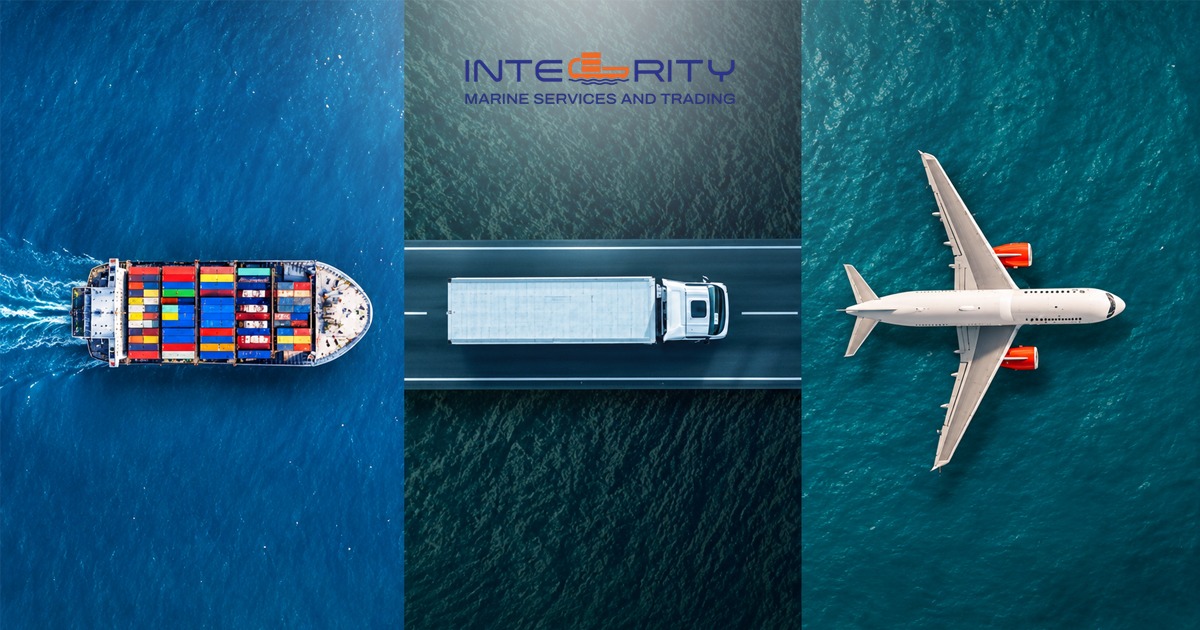
Marine transport rarely works alone. A typical project might use sea freight to an Omani port, a chartered vessel for the final leg, customs clearance, trucking inland, and air freight for urgent spares. Planning sea, air and land freight together as one marine and logistics solution for Oman and the GCC means fewer handovers and a more realistic schedule.
Not sure how port agents and forwarders differ? Start with our guide on Shipping Agent vs Freight Forwarder in Oman. And if you’d like a closer look at one of the region’s key ports, read Why the Port of Sohar is Becoming a Strategic Hub for Marine Services.
Need a vessel for your next project?
Customs clearance in Oman does not have to slow you down. Accurate documents, the right classification, and a bit of early planning prevent most delays. Having an experienced local partner on your side adds extra protection. Integrity Marine is one of the trusted shipping agents in Oman, offering vessel agency, customs clearance, freight forwarding, trucking, and clinker and cement supply across Oman and the GCC, with 24/7 support. To talk about your next shipment, call +968 96680576 or visit integrityoman.com
Frequently Asked Questions
1.What’s the difference between a tug boat and a barge?
A tug boat tows or pushes other vessels. A barge carries heavy or bulk cargo and usually needs a tug to move it.
2. When should I use a landing craft?
When the site has no full port. Landing crafts can load and unload in shallow water or on a shoreline.
3. Do I need a vessel agent for a charter?
Usually, yes. The agent handles berthing, port clearances and paperwork.
4. Can one company handle chartering, customs and trucking?
Yes, many full-service marine companies do. One provider means fewer delays.
5. How do I get a quote?
Share your cargo type, weight, locations and dates, and the provider will recommend a vessel and give you a quote.