

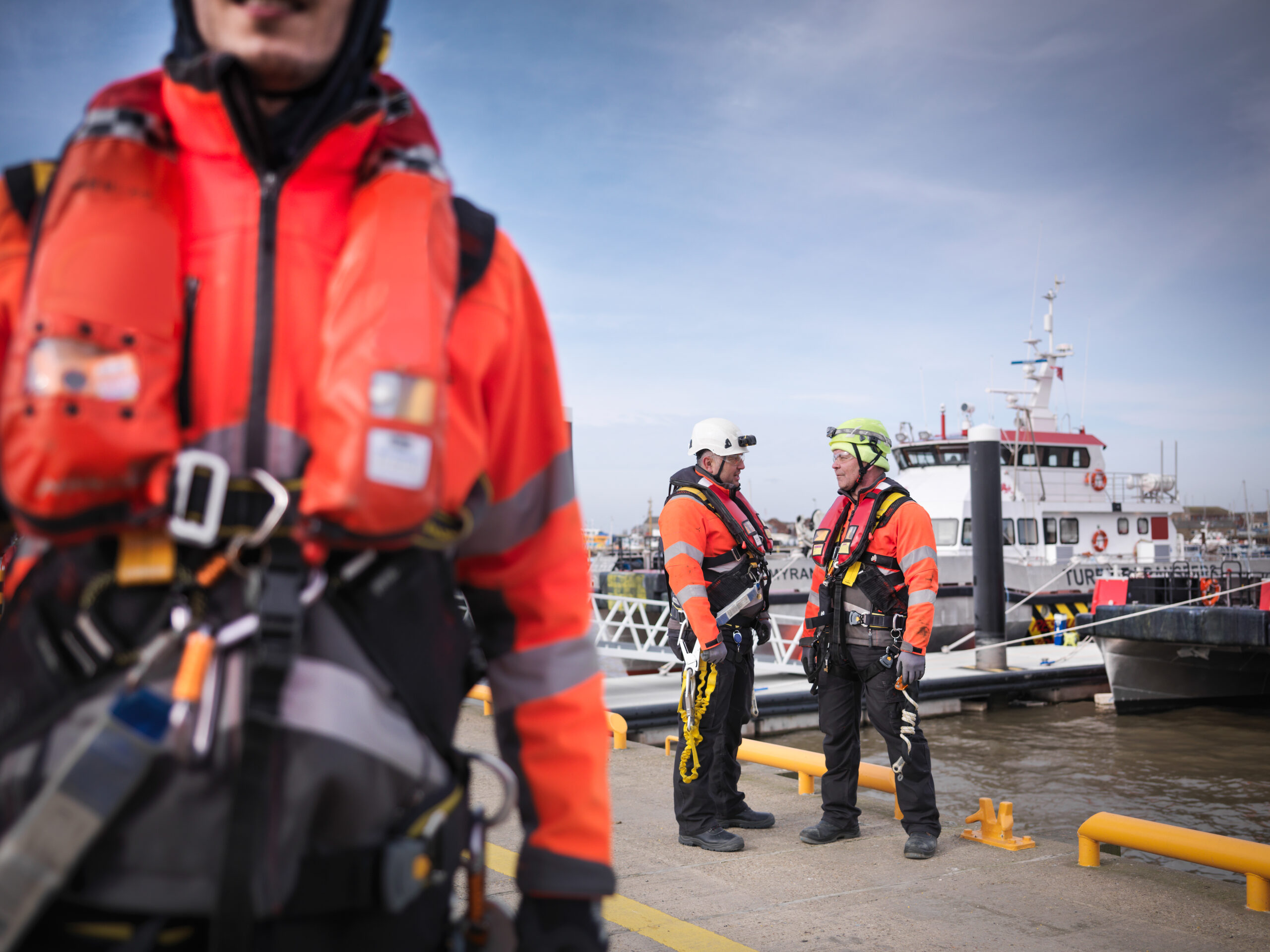
Essential Marine Safety Standards for Global Shipping in 2026
Marine Safety Standards for Global Shipping are evolving rapidly as international maritime organizations strengthen regulations to improve vessel safety, environmental protection, and operational efficiency across global shipping routes.As we move through 2026, the International Maritime Organization (IMO) has tightened regulations regarding vessel safety and environmental impact. For global fleet managers, staying ahead of these standards is critical for both safety and avoiding heavy port state control fines.
2026 Safety Regulations Reshaping Global Shipping
Marine Safety Standards for Global Shipping in 2026 are evolving as international maritime organizations strengthen safety, environmental protection, and operational efficiency requirements. With the global shipping industry responsible for transporting more than 80% of world trade, maintaining strict safety compliance is critical to protecting crews, vessels, and marine ecosystems.
The International Maritime Organization (IMO) has introduced updated frameworks designed to enhance safety management, improve vessel monitoring systems, and reduce environmental risks. These new safety regulations impact vessel operators, shipping companies, port authorities, and marine logistics providers worldwide. Shipping companies operating in major ports such as Sohar, Salalah, and Duqm must adapt quickly to these updated marine safety standards to remain compliant and competitive in international trade.
Key Marine Safety Standards Introduced for 2026
Several important regulations are shaping the future of maritime operations. These updated marine safety standards aim to reduce accidents, improve crew welfare, and enhance navigation safety across global shipping routes.
Enhanced Vessel Monitoring Systems
Modern vessels must now integrate advanced tracking and monitoring systems to ensure safe navigation and operational transparency. These systems provide real-time data on vessel location, cargo status, weather conditions, and mechanical performance.
Enhanced vessel monitoring allows port authorities and maritime regulators to track ship movements more accurately, improving safety across busy shipping lanes and international maritime corridors.
Updated Crew Safety and Training Requirements
The IMO has strengthened requirements for crew training and safety certification. Seafarers must undergo updated training programs that focus on emergency response procedures, fire safety management, and environmental protection measures.
By improving crew preparedness, these updated standards reduce operational risks and ensure that shipping crews can respond effectively during emergencies at sea.
Environmental Protection and Emission Compliance
Environmental sustainability is now a central element of global marine safety standards. The 2026 regulations focus on reducing vessel emissions, preventing marine pollution, and promoting energy-efficient shipping operations.
Ships must comply with stricter emission limits and adopt cleaner fuel technologies to reduce their environmental footprint while maintaining efficient cargo transportation.
These evolving Marine Safety Standards for Global Shipping are shaping safer maritime operations and improving compliance across international shipping routes.
We follow international shipping standards set by the
International Maritime Organization (IMO).


Fire Protection: Verify that fixed fire-extinguishing systems have been inspected within the last six months and that sensors are calibrated.
Digital Navigation: Redundancy in ECDIS systems is now a primary focus during inspections.
Marine Environment Protection: Updated oil-water separator monitoring systems are now mandatory for many vessel classes.
At Integrity Marine Global, we stock all essential safety gear at our global distribution hubs to ensure your fleet meets these rigorous 2026 standards.
Stay Updated: Check our Latest Inventory Updates and Global Ratings on Google
"Your trusted partner in maritime, freight, and logistics knowledge"